
I am an Internal Medicine and Critical Care Medicine-trained physician. I love technology, run my own primary care clinic, and continue to practice critical care medicine part-time.
One of the areas where I am seeing the real impact of AI is sleep medicine.
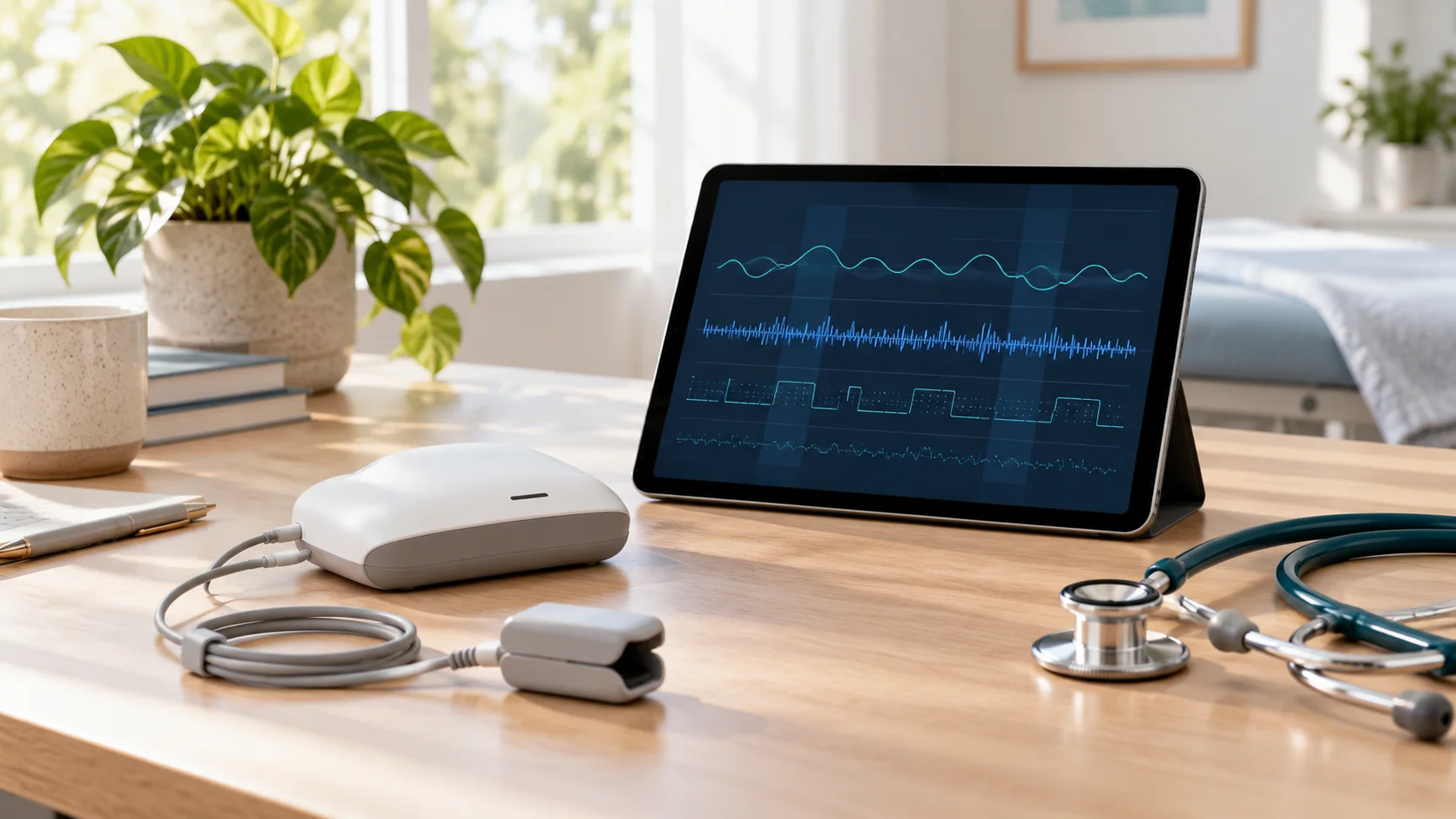
At our clinic, we have completed 43 home sleep studies. With AI-powered analysis, we have been able to identify patients with sleep apnea and help move appropriate patients toward timely diagnosis and CPAP/BiPAP qualification.
Historically, getting these patients evaluated could take months because of limited access to sleep specialists.
Recently, I encountered a particularly complex patient with severe obstructive and central sleep apnea, along with significant oxygen desaturation.
I consulted a sleep medicine specialist. After reviewing the case, she recommended an echocardiogram to evaluate for underlying cardiac dysfunction.
What caught my attention was that the AI-powered analysis had already flagged the need for cardiac evaluation.
I shared that finding with the specialist. Her reaction was remarkable:
“This technology is going to replace me!”
I smiled and responded:
“I don’t think so. This technology is making frontline physicians like me better. It is helping us recognize serious conditions earlier, ask the right questions, and make more informed clinical decisions.”
That is how I see the future of healthcare.
AI should not be about replacing physicians or creating competition between primary care doctors and specialists.
It should be about:
- Giving primary care physicians access to more advanced clinical insights.
- Identifying high-risk patients earlier.
- Reducing unnecessary delays in diagnosis and treatment.
- Helping frontline physicians recognize when specialist input is essential.
- Making quality healthcare more accessible.
A primary care physician should not have to wait months for a specialist appointment to recognize that a patient needs further evaluation.
The real opportunity is to use AI to elevate the capabilities of every physician, especially those on the frontlines of healthcare.
I believe AI can help create a more level playing field between primary care and specialty medicine.
Not by replacing expertise, but by making expertise more accessible.
The future is not AI versus physicians. It is physicians empowered by AI.